7,850 people
After the death of parents, factors such as loss of household income, the cost of
treatments linked to debilitating illnesses (HIV, cancer, diabetes, hepatitis) and
then funeral expenses leave children orphaned and widows/widowers in misery.
One finding is that households that have lost one of their loved ones spend on
average a third of their annual income on funerals. Sometimes orphans are easily
deprived of their inheritance upon the death of their parent, which increases the
economic problems already present.
Thus, the reduced economic capacities of households comprising orphans and widows imply difficulties in meeting the basic
needs of dependent orphan children; which compromises education, food security,
health, clothing... and promotes child labor.
In addition, the family often cannot afford to pay school fees and other indirect
costs of a child's education and cannot do without the child doing domestic chores
to earn a small income. Children from families lacking labor do not go to school
because they have to take care of food production or small businesses in place of
adults, or even beg for food or money. . Given that girls often stay at home to help
with housework, caring for younger children and caring for the sick, their access to
education is even more limited than that of boys within the same household.
base64_encode
To overcome these problems, the strategy of creating community support groups
was adopted. Thus, 246 mutual aid groups and 30 savings and credit groups were
created and made up of 96% women (widows, teen mothers, orphans, heads of
vulnerable and poor households).
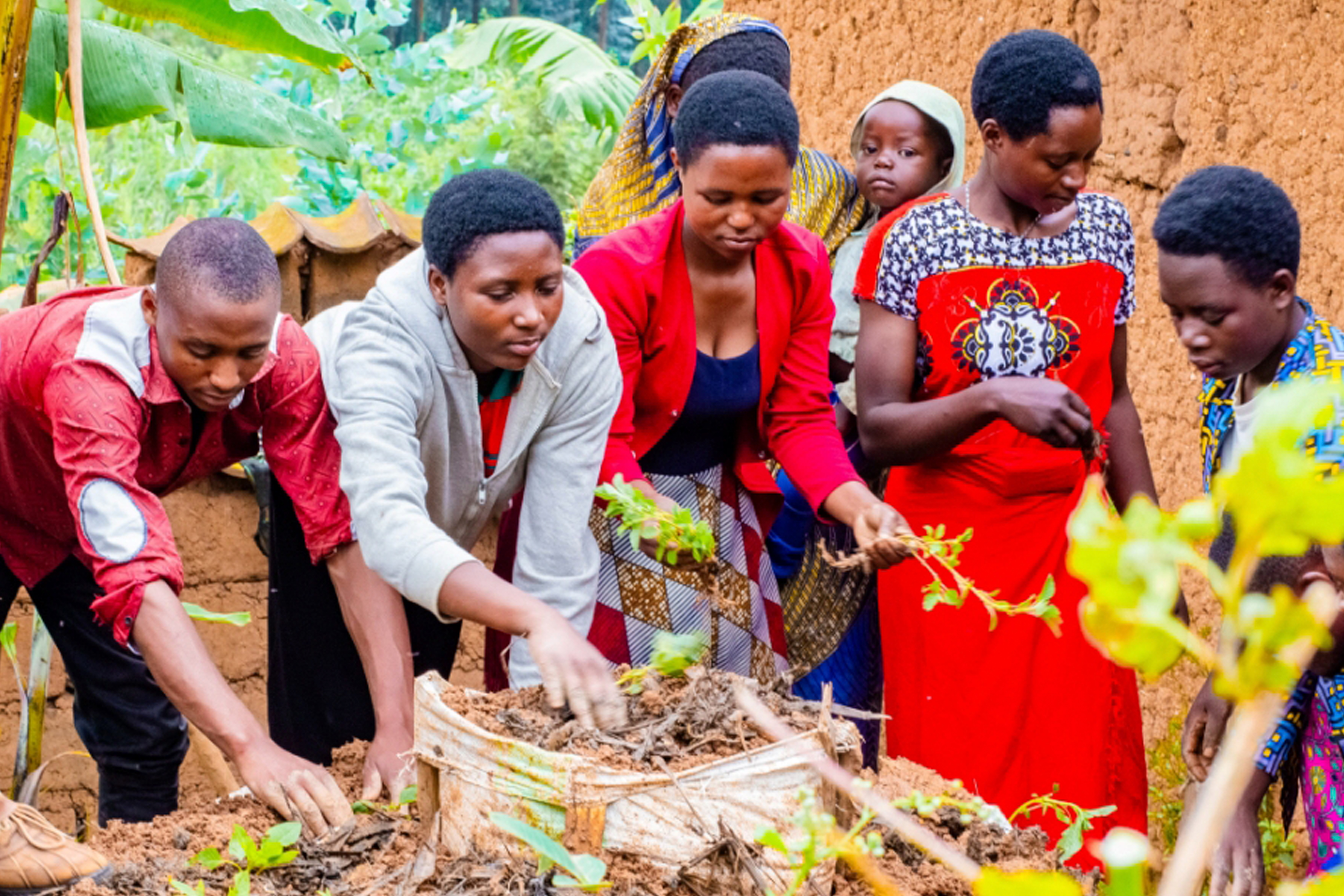
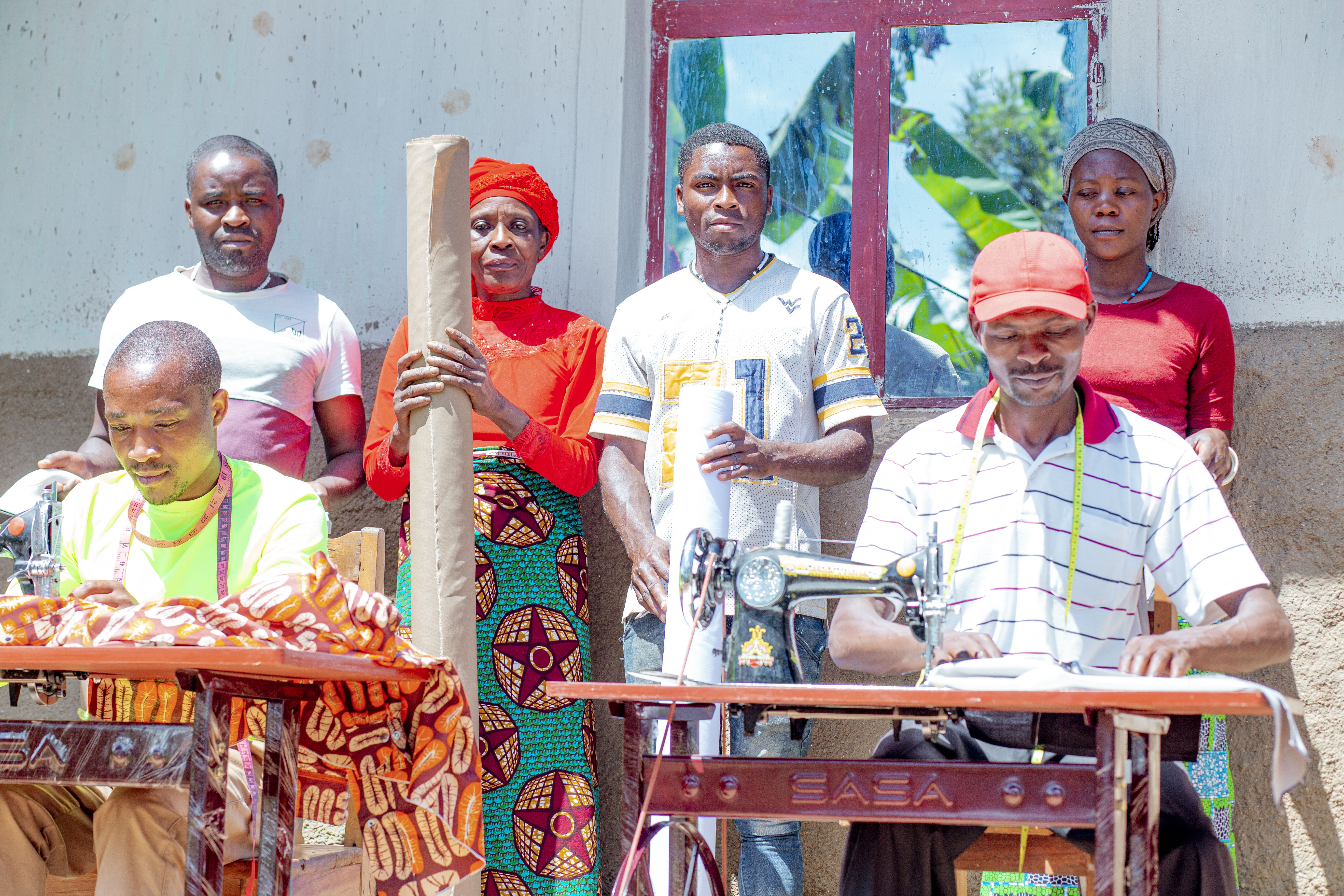
They carry out lucrative activities such as small
businesses (vegetables, fruits, small fish, etc.), small livestock farming and market
gardening.